Speech recognition & synthesis engine

HAIV STT·TTSGS Certification Grade 1

The proprietary speech engine that knows Korean best

A proprietary speech recognition (STT) and synthesis (TTS) engine trained on 98,000 hours of Korean. Runs on-premises and integrates anywhere via SDK, API, or engine embedding.

GS Certification Grade 198,000h of trainingE2E STT · DNN TTSOn-premisesSDK·API
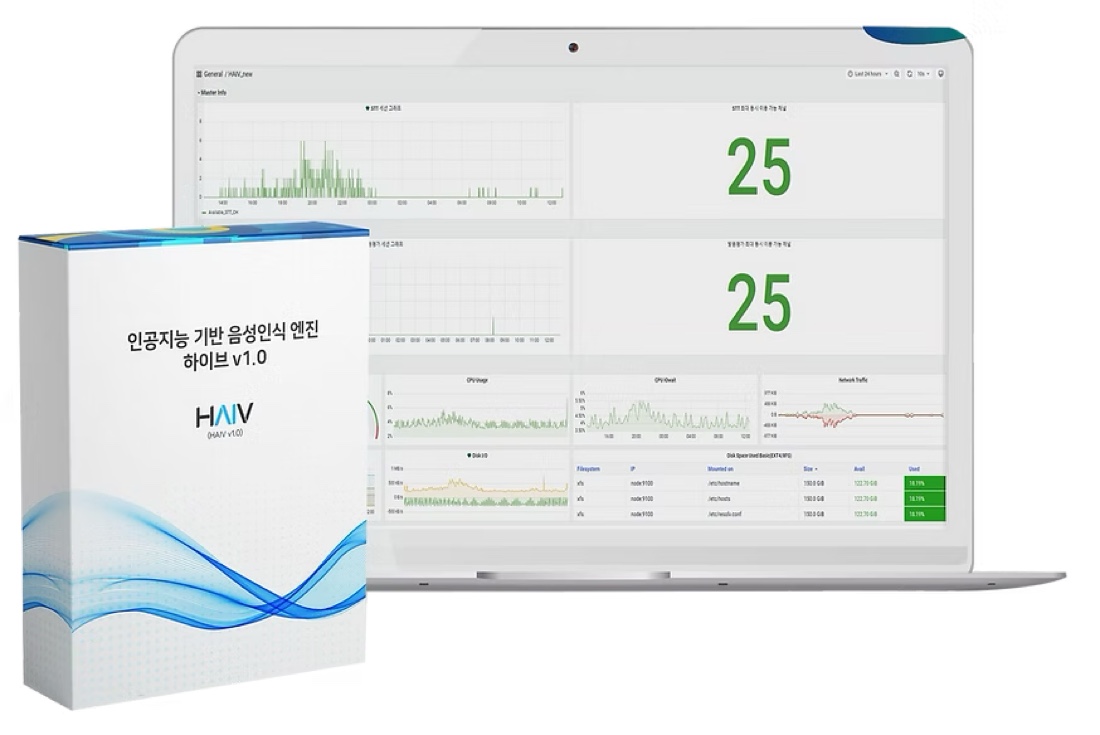
HAIV STT·TTS product screen
OVERVIEW

A proprietary STT·TTS engine trained on 20 years and 98,000 hours of Korean speech data. The end-to-end (E2E) recognition engine transcribes even the technical terms and proper nouns of finance, insurance, and the public sector accurately with an average 0.275-second response (STT), while our own DNN foundation model generates human-like speech with adjustable emotion, speed, and language within 0.3 seconds for 30 characters (TTS). It runs on-premises so call and voice data never leave your network — it is the voice foundation of Timbel's entire product line and deploys instantly via SDK, API, or engine embedding.

DEMO

HAIV Demo Video

Demo video of real-time speech recognition (STT) and speech synthesis (TTS) by HAIV, Timbel's proprietary voice engine.

Request a demo
WHO IT'S FOR

Built for teams like yours

"Korean recognition accuracy falls short"

Overseas engines struggle with technical terminology. Trained on 98,000 hours of Korean, HAIV recognizes it accurately.

"We can't send voice data outside"

Regulated industries prohibit external transfer. HAIV runs on-premises, entirely inside your network.

"We only need the engine"

You want to attach STT to your own system. We deliver it as an SDK, API, or embedded engine.

KEY FEATURES

Key features

FEATURE

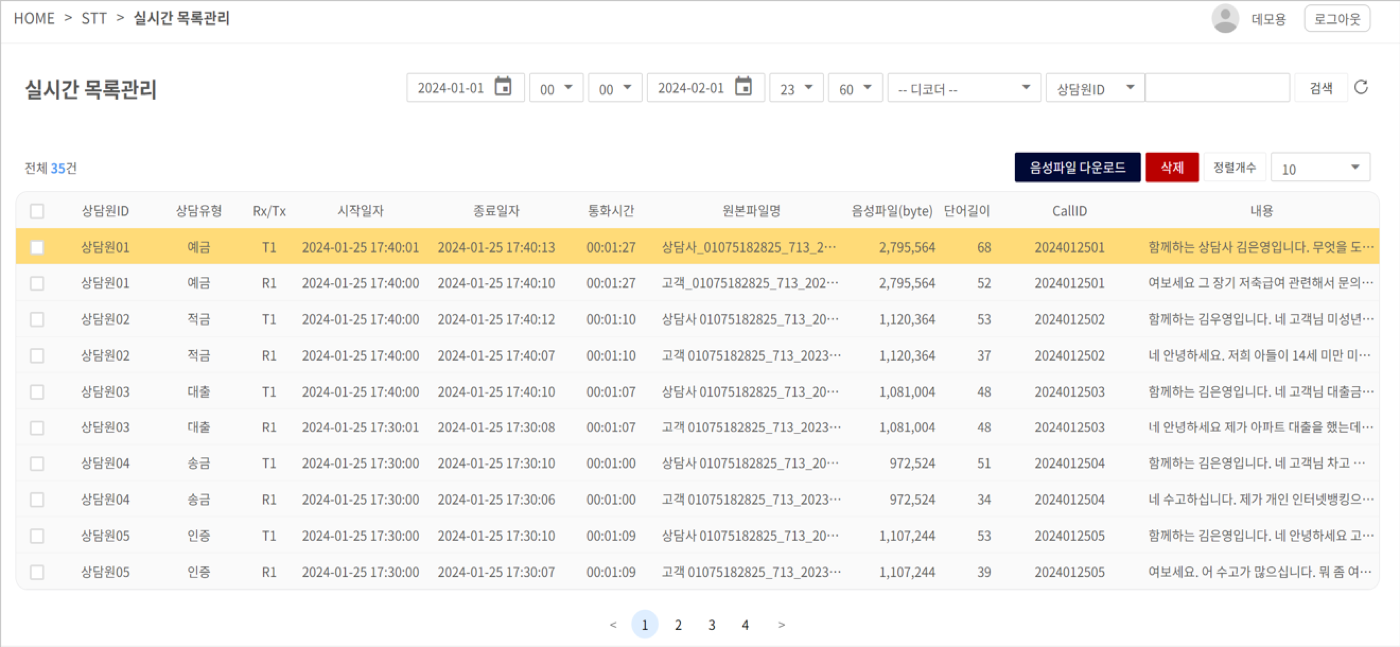
Real-time speech recognition (STT)

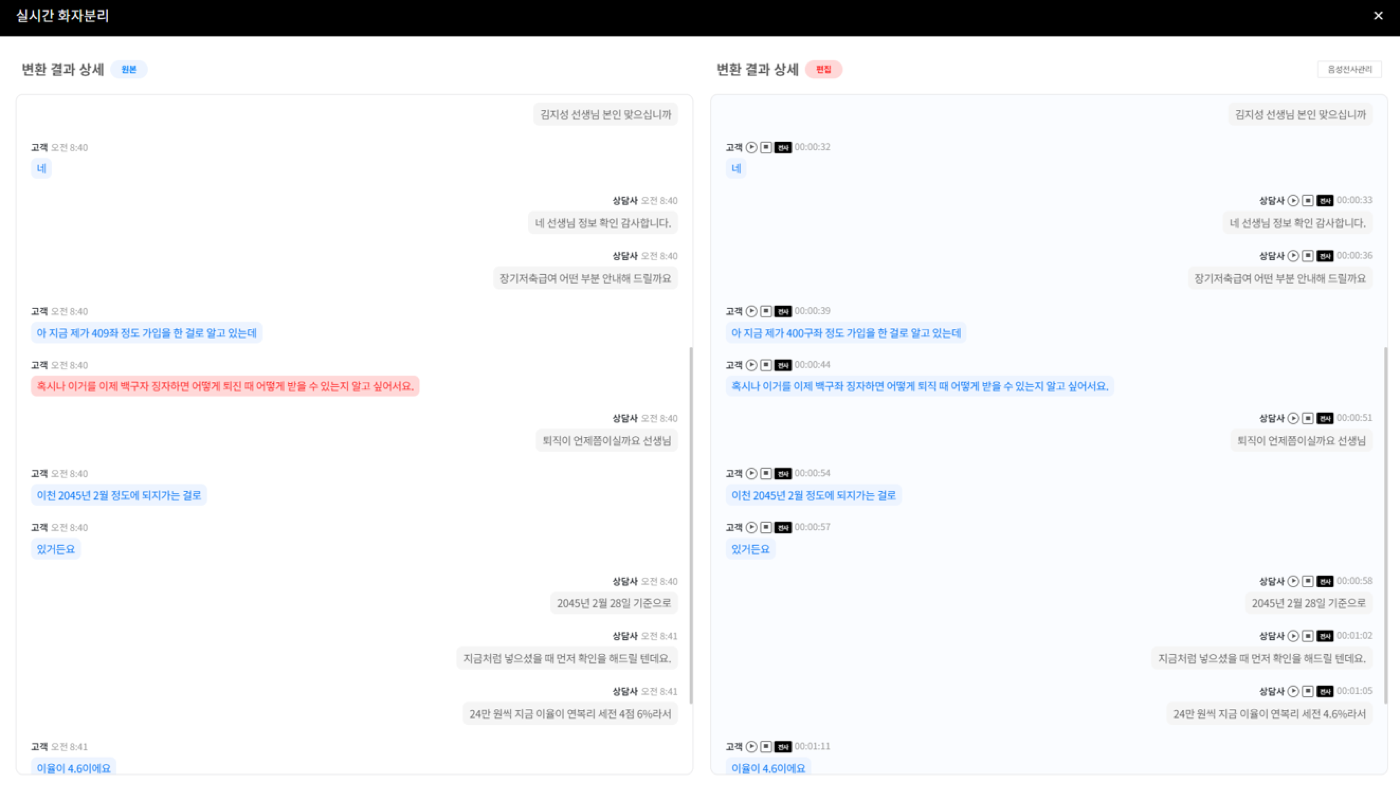
The end-to-end (E2E) engine transcribes in N-syllable chunks before the speaker finishes, finalizing results in an average of 0.275 seconds with end-point detection (EPD). Review per-call recognition results, speaker diarization (RX/TX), and accuracy rates at a glance in a single list.

Real-time speech recognition (STT)
FEATURE

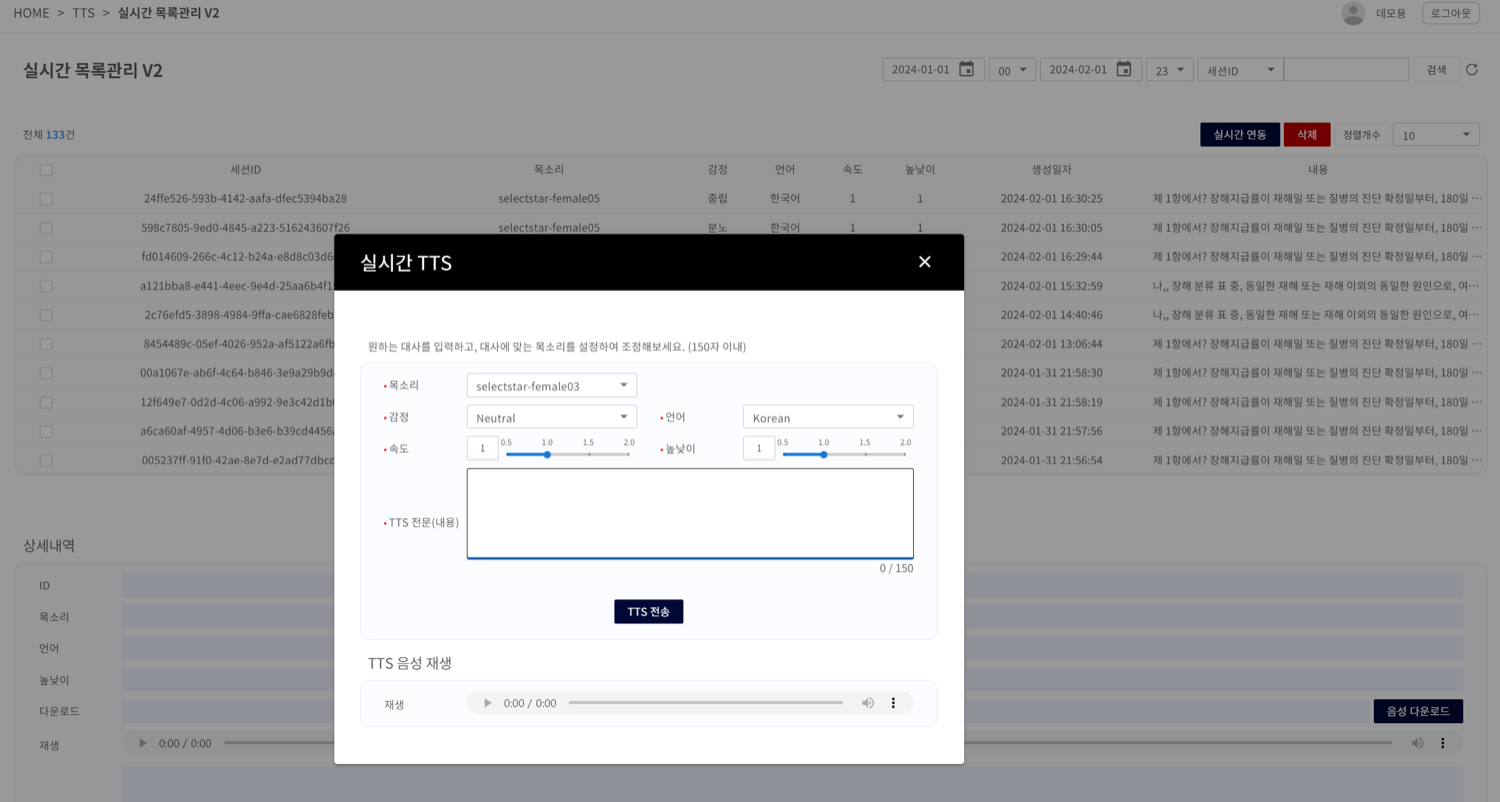
Speech synthesis (TTS)

Our own DNN foundation model synthesizes 30 characters within 0.3 seconds (RTF under 0.1). Configure voice, emotion, language, speed, and pitch to generate natural, human-like speech — then play or download it instantly.

Speech synthesis (TTS)
FEATURE

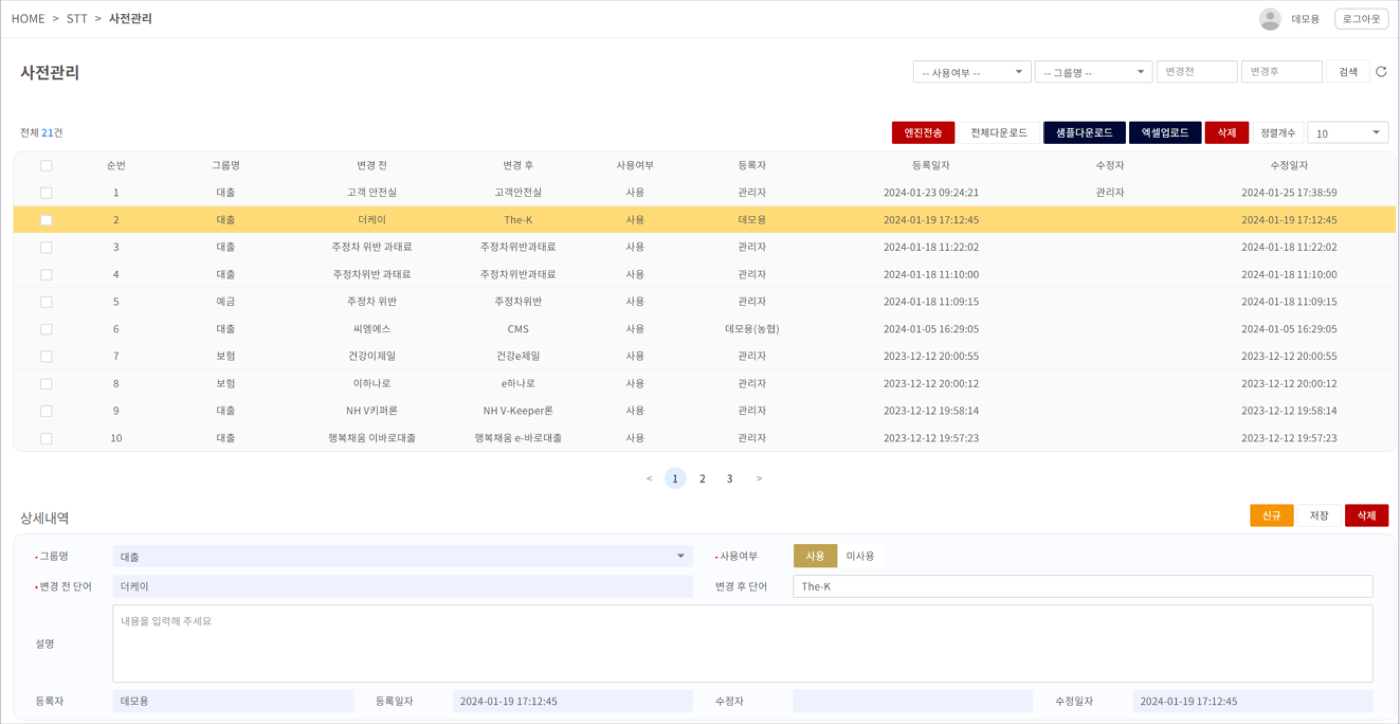
Custom dictionary management

Correct symbols, abbreviations, loanwords, personal names, and technical terms to your preferred readings, and batch-register hundreds of entries at once from an Excel file to raise both recognition and pronunciation accuracy per domain.

Custom dictionary management
FEATURE

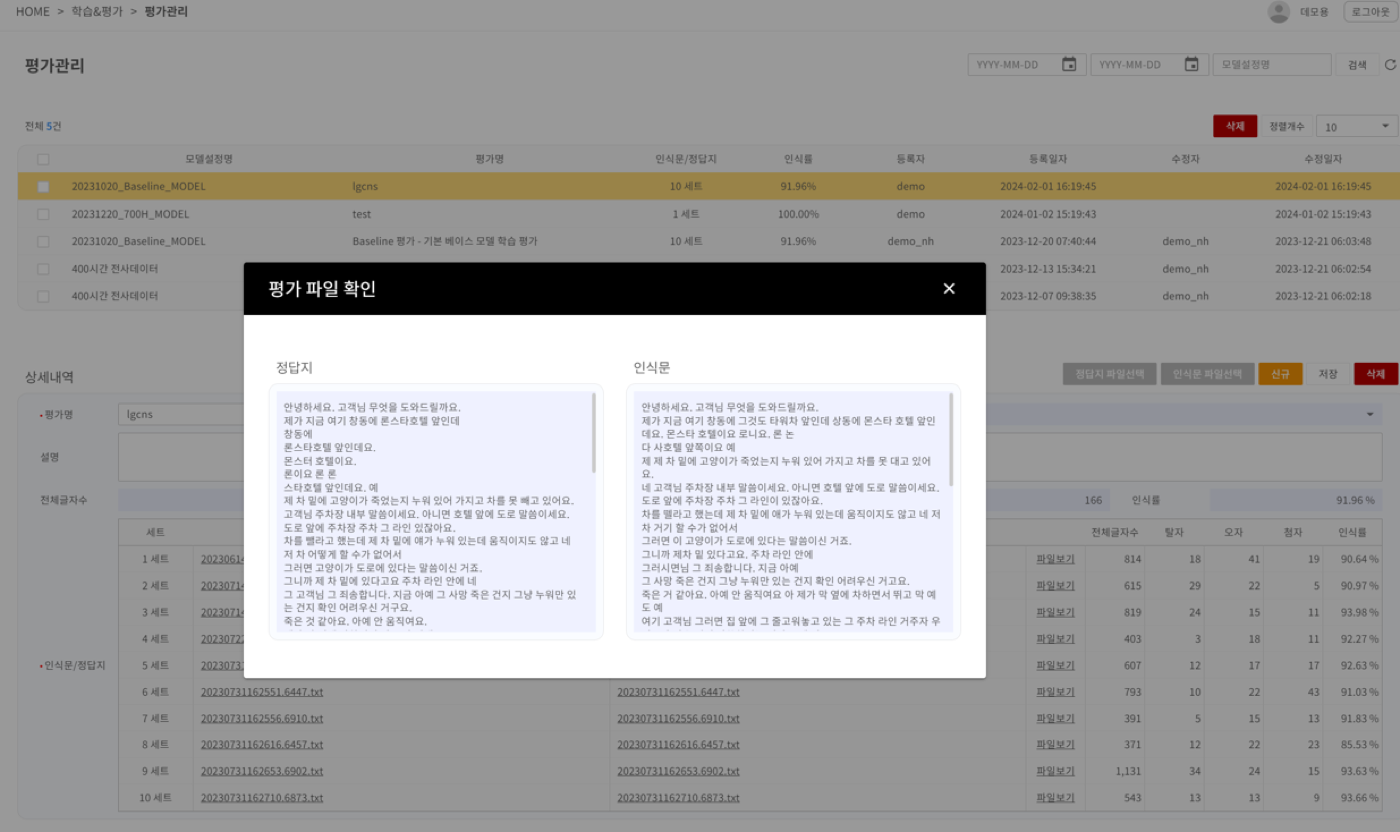
Evaluation management

Objectively evaluate and manage recognition accuracy using syllable-level CER, and let non-experts retrain acoustic and language models right from the web console to keep improving accuracy.

Evaluation management
FEATURE

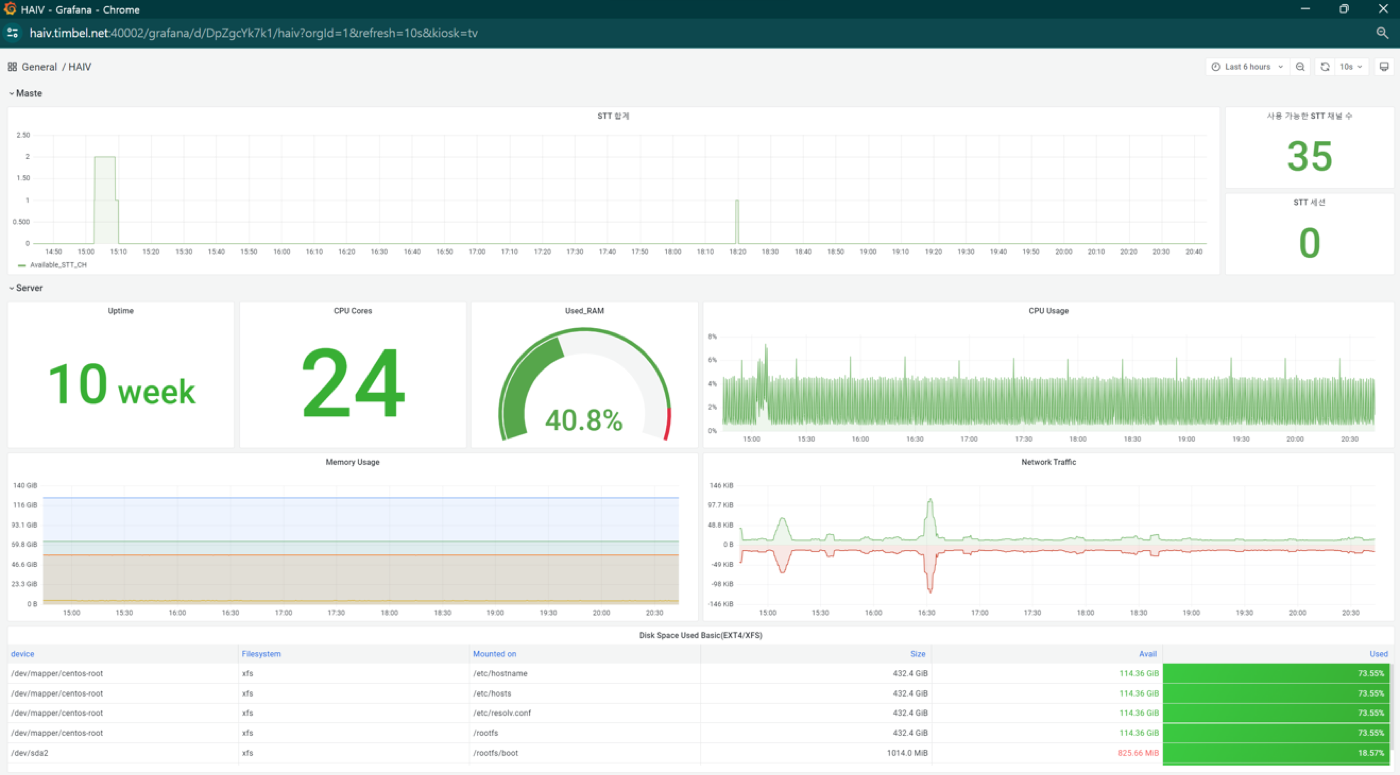
System monitoring

Monitor engine health in real time — STT channels, CPU, memory, and network. Docker-based MSA (zero-downtime) keeps operations stable even under large-scale traffic of 150+ channels.

System monitoring
STT · SPEECH-TO-TEXT

Speech recognition (STT) highlights

An E2E transformer-based end-to-end STT engine that delivers high recognition accuracy and ultra-low-latency response even in complex speech environments.

01

State-of-the-art end-to-end algorithm

  • Unified model architecture Acoustic, language, and pronunciation models are simplified into one structure, minimizing recognition errors even in complex speech environments.
  • Proven recognition stability Powered by HAIV, our proprietary engine with quality proven in continuous-speech and telephone-audio conditions.
  • Noise cancellation VAD (Voice Activity Detection)-based technology suppresses ambient noise and extracts only clear speech.
02

Real-time streaming with ultra-low latency

  • Real-time transcription Speech is segmented into N-syllable chunks and converted instantly, without waiting for the utterance to end.
  • 0.275-second response Measured real-time performance averages 0.275 seconds, keeping the conversation flowing.
  • Optimized end-point detection (EPD) Tuned for the streaming-response behavior of Gen AI sLLMs, results are finalized the moment speech ends.
03

Intelligent pre/post-processing for readability

  • ITN (Inverse Text Normalization) Abbreviations, emails, numbers, and dates are automatically converted to readable standard notation, such as '11:45 AM'.
  • Domain-specific dictionary management Hint dictionaries and custom dictionaries sharpen recognition of specialized product names and industry terms.
  • Speaker diarization (RX/TX) Customer and agent voices are recognized separately, then merged into a single conversation.
04

GUI-based unified training and performance management

  • Training tools for non-experts Operators can retrain acoustic and language models directly from the web console — no specialist engineers required.
  • CER-based performance evaluation Syllable-level evaluation (CER) objectively verifies recognition accuracy before and after training.
  • Dedicated transcription tool A workbench with audio-segment playback and text editing supports training-data creation.
05

High-availability MSA and container architecture

  • Flexible scaling A Docker-based Master/Worker structure makes channel expansion easy, built on a microservices architecture (MSA).
  • Zero-downtime operations Swap in new engine models without stopping the system, and fail over instantly to another Worker server on faults.
  • Flexible system integration Standard API and WebSocket-based design connects quickly with Voice Gateways, call bots, and other systems.
06

Rigorous data security and PII de-identification

  • International-standard encryption All speech recognition output is protected with AES256 encryption at rest and in transit.
  • Real-time masking Sensitive information such as phone and resident registration numbers is automatically detected and de-identified mid-utterance.
  • Network separation and access control All data is processed inside your internal network, with transfers to external networks blocked at the source.
TTS · TEXT-TO-SPEECH

Speech synthesis (TTS) highlights

A DNN foundation model that clones voices and emotions from minimal data, pushing past the limits of real-time TTS to deliver speech as natural as a human's.

01

DNN foundation model and high-quality synthesis

  • Transformer architecture A modern deep-learning foundation model produces natural, human-like prosody — not robotic output.
  • Crystal-clear audio quality High-resolution sampling delivers clean, noise-free speech output with precise pronunciation.
  • Premium consultation experience A proprietary engine performs accurate text analysis and speech processing, delivering voices that sound seamless to customers.
02

Ultra-low-latency real-time streaming

  • Response within 0.3 seconds Latency to first audio output is under 0.3 seconds (RTF under 0.1), enabling uninterrupted real-time conversation.
  • Sentence-chunk synthesis Text is split and synthesized in real time before a full sentence is complete, harmonizing perfectly with LLM streaming responses.
  • Stability under heavy traffic Consistent synthesis quality and response performance are maintained without slowdown, even at high loads of 150+ channels.
03

Voice cloning and emotional expression

  • Less-DATA training Just 2–20 hours of data precisely clones a voice actor's timbre, creating a distinctive brand voice.
  • Multi-style control Apply emotional tones matched to the consultation context — empathy, apology, joy — for customer-friendly responses optimized to each situation.
  • Fine parameter control Adjust speed, pitch, volume, and more in real time at synthesis to maximize speech quality.
04

Large speaker library and dedicated personas

  • Extensive speaker lineup A library of thousands of unique voices, organized by gender and age group, gives you the right voice for your service.
  • Brand persona creation Develop a dedicated voice optimized for your brand image and deliver a consistent brand identity.
  • Multilingual scalability Beyond Korean, multilingual synthesis engines support global services and diverse deployment environments.
05

Intelligent text analysis and pronunciation optimization

  • Domain preprocessing Even complex sentences mixing numbers, English, and special characters are read accurately through industry-specific context analysis.
  • Natural context handling Semantic phrasing and structure-aware pauses are applied automatically, improving clarity and information delivery.
  • Custom pronunciation dictionary Operators can define pronunciation and intonation for abbreviations, technical terms, and more through a management interface.
06

Standard interfaces and unified management

  • Standard API integration Support for gRPC, REST API, and other standard protocols connects quickly with call bots, sLLMs, media servers, and external systems.
  • Web-based unified GUI An intuitive admin console manages synthesis history, engine health monitoring, and performance statistics in real time.
  • Multi-format support Support for WAV, MP3, PCM, and other audio formats plus sample rates (8kHz/16kHz) ensures optimal output for every system environment.
PRODUCT TOUR

Performance and architecture

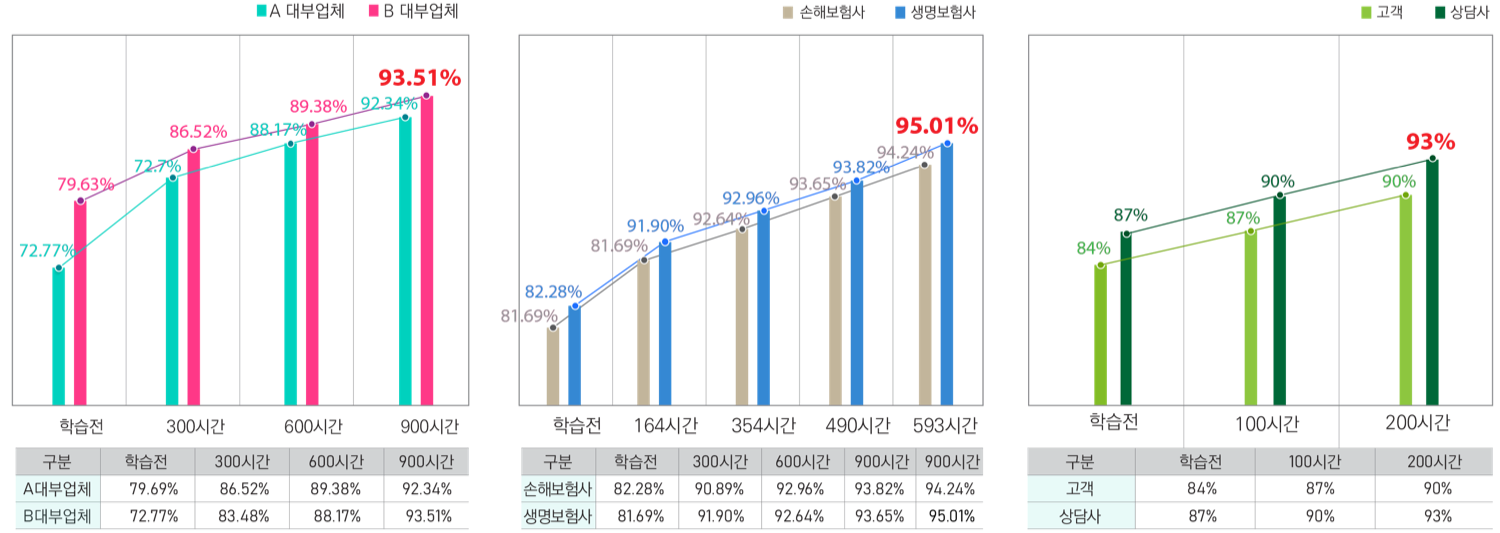
Accuracy that improves with training
Accuracy that improves with trainingRecognition accuracy rises to 93–95% after training in lending, insurance, and consultation domains.
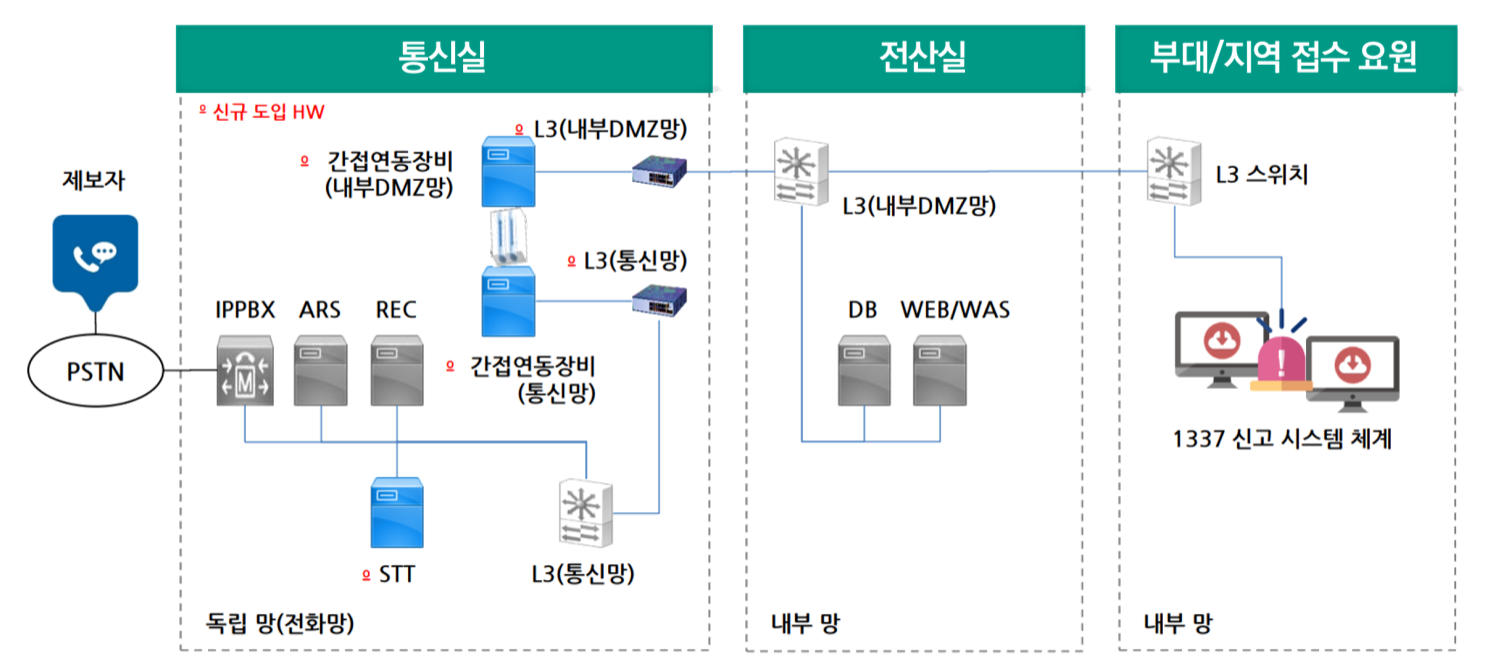
On-premises system architecture
On-premises system architectureReference architecture deploying STT and integration equipment inside your internal network.
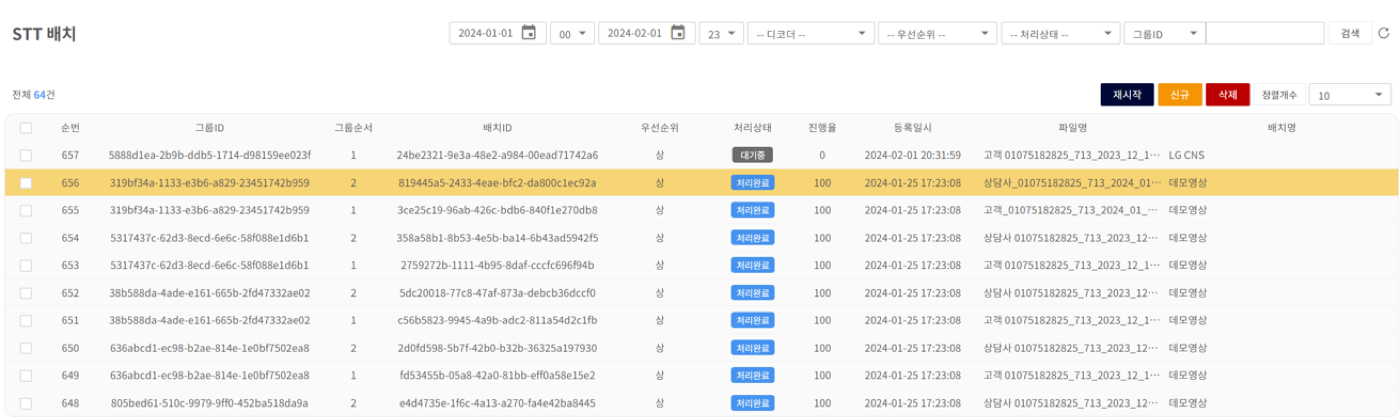
STT batch processing
STT batch processingRecognize and process large volumes of audio files in batches.
Consultation transcript editing
Consultation transcript editingReview and correct STT results on the spot.
SPECIFICATION

Key specifications

Training data98,000 hours of Korean — including noise, dialects, and technical terminology
Speech recognition (STT)End-to-end (E2E) real-time streaming · 0.275s average response · speaker diarization (RX/TX)
Speech synthesis (TTS)DNN foundation model · 30 characters within 0.3s (RTF under 0.1) · adjustable emotion, speed, pitch
Voice cloningClone a voice from a 2–20 second sample without separate training · situational emotional styles
Pre/post-processingITN readability conversion (dates, numbers, abbreviations) · custom pronunciation dictionary (Excel batch upload)
Accuracy93–95% recognition after domain training · CER-based performance management
Output · Integration8/16kHz · wav·mp3·pcm·u-law · gRPC/REST·WebSocket
Architecture · SecurityZero-downtime MSA · 150+ channels · AES256 encryption · real-time masking · network separation
DeploymentOn-premises / private — no external transfer of voice data
Delivery formatsSDK · API · engine embedding
Quality certificationGS Certification Grade 1 — TTA's highest software quality certification
ApplicationsThe voice foundation of Timbel's entire product line, including Timblo and BaroNote
CERTIFIED · Quality certification
GS Certification Grade 1 GOOD Software

HAIV GS Certification Grade 1

Timbel's proprietary AI speech recognition engine HAIV has earned GS Certification Grade 1. With HAIV, BaroNote, and Timblo, Timbel holds a lineup of Grade 1-certified solutions — quality, stability, and security all verified against nationally accredited standards.

GS Certification Grade 1 (TTA)98,000h of Korean trainingOn-premises
HAIV speech recognition engine
CASE STUDIES

Customer stories

Technology like HAIV STT·TTS, proven in the field

View all case studies
FAQ

Frequently asked questions

What is the real-time streaming latency of the STT?
The end-to-end (E2E) engine transcribes mid-utterance in N-syllable chunks and finalizes results in an average of 0.275 seconds using end-point detection (EPD). Speech synthesis (TTS) responds within 0.3 seconds for 30 characters (RTF under 0.1).
How many seconds of audio does voice cloning need?
With just a short voice sample of 2 to 20 seconds, HAIV clones a voice without separate training and can even apply emotional styles such as empathy, apology, and joy.
Can we deploy just the STT/TTS engine on-premises?
Yes. It integrates into existing systems via SDK, API, or engine embedding, and runs on-premises so voice data never leaves your network (AES256 encryption, real-time masking, network separation).
Which industries is it strongest in?
It excels in domains dense with technical terms and proper nouns, such as finance, insurance, and the public sector. Industry-specific terminology and proper nouns are recognized accurately through dictionaries and context.
Is it on-premises only?
It supports on-premises and private cloud deployment, operating without any external transfer of voice data. This satisfies compliance requirements in regulated industries.
How do we deploy it?
It can be integrated into your existing systems as an SDK, API, or embedded engine.
How accurate is Korean speech recognition?
Built on 98,000 hours of Korean training data, continued training with your domain data raises domain-specific recognition accuracy to the 93–95% range. All training takes place on-premises.
Does it include speech synthesis (TTS)?
Yes. It generates natural speech in real time with adjustable emotion, speed, pitch, and language. STT and TTS can be deployed together.
Is it certified?
HAIV has earned GS Certification Grade 1 (TTA's highest software quality certification).
Does it support real-time transcription and speaker diarization?
Yes. It provides low-latency streaming recognition that transcribes before a speaker finishes, and can be used in combination with speaker diarization.
RELATED

Related products

Bring HAIV STT·TTS to your systems

From consultation to custom deployment, Timbel is with you every step.